 ?>
If you have ever seen a lightweight plastic sheet with a hollow structure inside, you may have wondered: what is Coroplast, and why is it used for everything from signs and packaging to agricultural boxes and construction products?
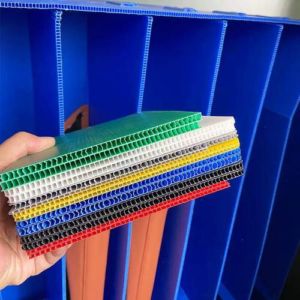
Coroplast® is a well-known brand name for corrugated polypropylene sheet. In general use, people also use “Coroplast” to describe this type of twin-wall corrugated plastic sheet. The material is made from polypropylene and has a fluted internal structure that provides strength without adding unnecessary weight.
For manufacturers and buyers, the important question is not only what the material is, but also where it makes sense to use it.
What Is Coroplast Made Of?
Coroplast-style corrugated plastic sheets are primarily made from polypropylene (PP). The sheet consists of two flat outer layers connected by internal ribs, creating a hollow or fluted structure.
This structure gives the sheet a useful balance of weight, rigidity and durability. Unlike solid plastic sheets, the hollow design reduces material use while maintaining good structural performance.
At Junhui Plastics, we manufacture PP corrugated sheets with different PP content depending on the customer’s application and budget. Our formulations can contain 100%, 90%, 80% or 70% PP.
A customer making a long-term reusable packaging box may need a different formulation from a customer looking for a more economical temporary application. Instead of using one formula for every project, we adjust the material according to the actual working conditions and target cost.
How Is Corrugated Plastic Made?
Corrugated polypropylene sheets are produced through an extrusion process. PP raw materials are melted and formed into a continuous twin-wall sheet with internal flutes. The sheet is then cooled, cut and processed according to the required size and application.
The manufacturing process also allows additional functions to be introduced when needed. Depending on the application, PP corrugated sheets can be produced with features such as UV resistance, anti-static performance or flame retardancy.
The sheets can also be printed, cut, creased, bent, welded and thermoformed. For printing applications, surface treatment such as corona treatment can improve the adhesion of inks.
This is particularly important for advertising boards and display products. At Junhui Plastics, our printed PP corrugated sheets are widely used for signs and seasonal displays. For example, as the Christmas season approaches, many customers use our sheets to produce Christmas displays, promotional signs and other advertising materials.
What Is Coroplast Used For?
One reason what is Coroplast is such a common search is that corrugated plastic can be used in many different industries.
Common applications include:
- Packaging dividers and box liners
- Reusable plastic boxes
- Pallet layer pads
- Automotive packaging
- Agricultural packaging
- Advertising and signage
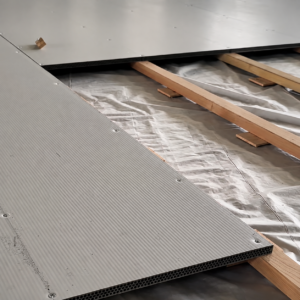
- Construction protection
- Plastic formwork
- Industrial returnable packaging
The best thickness depends heavily on the application.
For packaging projects, 3 mm, 4 mm and 5 mm are among the most commonly used options in our experience. A 3 mm to 3.8 mm sheet can work well for many reusable boxes and lightweight packaging applications. Around 4 mm is commonly selected for printed advertising boards, while 5 mm is often used when a packaging application requires greater rigidity and protection.
Thinner or thicker sheets can also be selected when the application requires a different balance between weight, strength and cost.
What Are the Benefits of Coroplast?
So, what is Coroplast useful for compared with traditional materials such as cardboard?
The biggest advantage is that polypropylene is resistant to water and moisture. A cardboard box may become damaged after repeated exposure to rain, humidity or wet products, while a properly designed PP corrugated box can continue to be used under these conditions.
The material is also lightweight, reusable and easy to fabricate. This makes it suitable for returnable packaging systems where the same box, divider or pallet pad is used repeatedly.
The initial purchase price of a plastic box may be higher than that of a disposable cardboard box. However, the comparison changes when the number of reuse cycles is considered. A cardboard box may be used once or only a few times, while a well-designed PP corrugated box can be cleaned, transported and reused many times.
For businesses that regularly move products between warehouses, farms, production facilities and distribution centers, this difference can have a significant impact on packaging costs and waste.
Is Coroplast Waterproof and Recyclable?
Polypropylene corrugated sheet is well suited to wet and humid environments because the material does not absorb water like paper-based packaging.
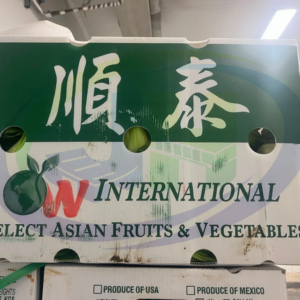
This makes it especially useful for agricultural packaging. At Junhui Plastics, we have supplied PP corrugated boxes for fruits and vegetables, where moisture resistance and repeated use are important considerations.
PP is also a recyclable plastic. However, actual recycling depends on local collection and recycling systems, as well as the composition of the finished product.
Coroplast vs. Cardboard: Which Should You Choose?
There is no single material that is right for every application.
Cardboard can be an economical option when a package is designed for short-term or single-use transportation. PP corrugated sheet becomes more attractive when the packaging needs to withstand moisture, repeated handling or multiple reuse cycles.
For example, a reusable produce box made from PP corrugated sheet can be used for transporting fruits and vegetables without the same moisture concerns associated with paper packaging. The same principle applies to pallet pads, dividers and returnable industrial packaging.
The right choice depends on the product being protected, expected service life, working environment, required strength and total packaging cost.
Choosing the Right Corrugated Plastic Sheet
If you are still asking what is Coroplast because you are looking for a material for a specific project, thickness alone should not be the only consideration.
At Junhui Plastics, we typically evaluate the application, required thickness, GSM, PP formulation, color and any additional functional requirements before recommending a material.
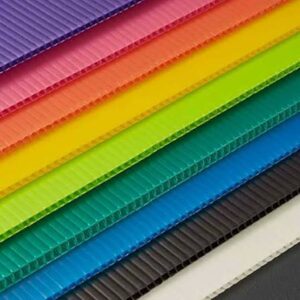
Our PP corrugated sheets are available from 2 mm to 20 mm in thickness, with GSM ranging from approximately 250 g to 2,500 g. Custom colors can be matched using Pantone references, and options such as UV resistance, anti-static and flame-retardant properties can be added when required.
With around 30 years of experience in the corrugated plastic industry, we have worked with applications ranging from printed advertising boards and reusable agricultural boxes to heavy-duty packaging and plastic formwork.
The best specification is ultimately the one that fits the way the product will actually be used—not simply the one with the lowest initial price.