 ?>
When products are stacked on pallets, the material placed between layers can make a real difference. Bottles, cans, automotive components, and even marble slabs need separation to reduce direct contact and help maintain stability during handling and transportation.
A PP layer pad provides a practical solution. Made from polypropylene, these lightweight plastic sheets help separate products, protect surfaces, and support more organized stacking. Depending on the application, manufacturers can adjust the sheet thickness, weight, and edge design to meet different packaging requirements.
What Is a PP Layer Pad?
A PP layer pad is a polypropylene sheet placed between products or pallet layers to provide separation and protection.
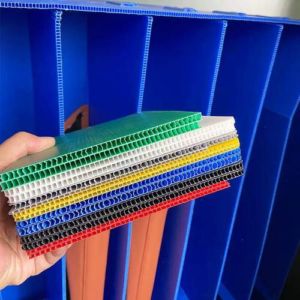
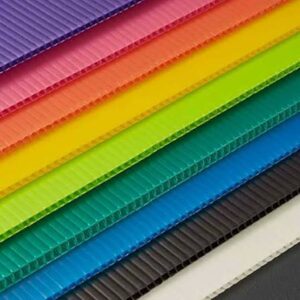
Many manufacturers produce these pads from corrugated polypropylene sheets, which feature a hollow structure between two outer surfaces. This design helps keep the material lightweight while providing useful rigidity.
Unlike cardboard dividers, polypropylene pads resist water and moisture. They can also be cleaned and reused when their condition and the handling environment allow.
However, not every application requires repeated use. Some customers simply need an economical separator for a specific shipment or product.
The right design depends on what the pad needs to protect.
How Does a PP Layer Pad Work?
The main purpose of a plastic layer pad is to separate stacked products and reduce direct contact between surfaces.
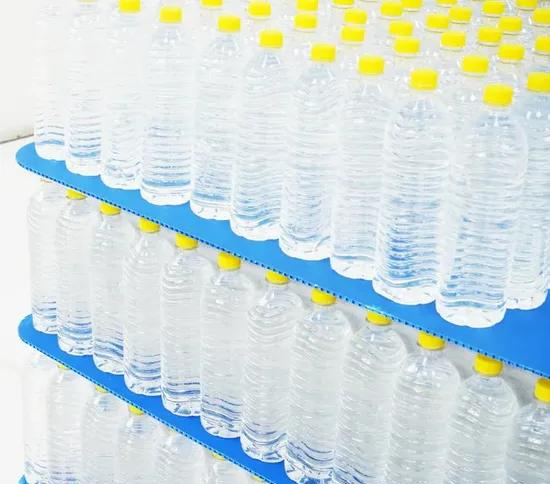
For example, beverage manufacturers may place pads between layers of bottles or cans. The sheets help create a more uniform surface for the next layer.
In industrial packaging, they can separate automotive components or protect finished surfaces from rubbing against one another.
The effectiveness of a pad depends on several factors, including:
- Material thickness and weight
- Product weight and contact area
- Stacking arrangement
- Handling and transportation conditions
- Number of expected reuse cycles
A thicker sheet is not automatically the best choice. The overall structure and material formulation also affect performance.
Common Applications of PP Layer Pads
Different industries use polypropylene separators for different reasons.
1. Beverage Bottles and Cans
Plastic layer pads help separate bottles, beverage cans, and other containers during pallet stacking. Their moisture resistance makes them useful in packaging environments where cardboard may absorb water.
2. Marble and Stone Products
Marble slabs and other finished stone products need separation during storage and transportation. PP sheets can act as protective dividers between surfaces.
3. Automotive Components
Automotive suppliers use plastic separators to organize parts and reduce direct contact during transportation or warehouse handling.
4. Industrial Packaging
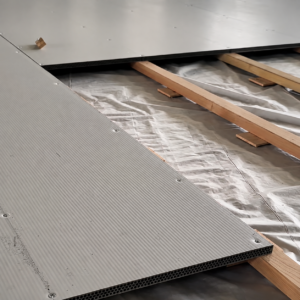
Manufacturers also use PP sheets as protective liners, pallet separators, and internal packaging components for products with different shapes and weights.
How to Choose the Right Thickness and Weight
Choosing a PP layer pad requires more than selecting a thickness from a catalog.
At Zibo Junhui Plastic Co., Ltd., we manufacture pads in different thicknesses and weights according to customer requirements.
Some actual production specifications include:
| Thickness | Sheet Weight |
|---|---|
| 2.8 mm | 420 g |
| 3.0 mm | 450 g |
| 3.3 mm | 1,000 g |
| 3.5 mm | 1,200 g |
| 4.0 mm | 900 g |
| 5.0 mm | 900 g |
These are actual production specifications. Weight figures refer to the specified sheet configurations and should not be interpreted as universal grams-per-square-meter values.
Common sheet sizes include 1200 × 800 mm and 1200 × 1000 mm. We can also cut sheets to custom dimensions.
Material composition is another important consideration. Our PP formulations typically range from 50% to 90% PP, depending on the required performance and cost target.
For applications involving greater loads or repeated handling, we review the customer’s requirements before recommending a suitable structure.
Edge Finishing and Customization Options
Not every customer needs the same edge treatment.
We offer three common options:
- Heat-sealed edges: All four sides can be sealed for a more finished edge.
- Rounded corners: Corners can be rounded to suit handling and packaging requirements.
- Straight-cut edges: Sheets can be cut directly without additional edge processing.
The choice depends on the application, handling method, and budget.
For simple industrial separation, a straight-cut sheet may be sufficient. Other applications may benefit from additional edge finishing.
Real Customer Example: Marble Packaging in India
One of our recent customers in India ordered a full container of polypropylene sheets for use as separators between marble products.
During our discussions, the customer explained that repeated reuse was not a priority. The main requirement was a practical separation material at a reasonable cost.
After reviewing the application, we agreed on a 3 mm, 450 g specification.
The customer has continued using the sheets and reported satisfaction with their performance.
This project illustrates an important point: the most expensive or heaviest material is not always necessary. Understanding the actual application helps determine a suitable specification.
Can PP Layer Pads Be Reused?
Yes, polypropylene layer pads can be reused, but there is no single reuse-cycle figure that applies to every product.
Service life depends on loading conditions, handling methods, material formulation, and the condition of the sheet after each use.
At Junhui Plastic, we develop specifications according to customer requirements. After production, samples undergo laboratory compression testing to evaluate their performance under the relevant loading conditions.
For customers planning repeated use, we recommend confirming the expected load and handling conditions before production.
Frequently Asked Questions
Are PP layer pads waterproof?
Polypropylene itself does not absorb water like cardboard. This makes PP sheets suitable for many moisture-prone packaging environments.
What sizes are available?
Common sizes include 1200 × 800 mm and 1200 × 1000 mm. Custom dimensions are also available.
Can I choose different thicknesses and weights?
Yes. Thickness, sheet weight, material formulation, and edge finishing can be adjusted to match specific packaging requirements.
Are PP layer pads suitable for heavy products?
They can be designed for heavier applications, but suitability depends on load distribution, stacking conditions, and laboratory test results.
Final Thoughts
A PP layer pad may look like a simple plastic sheet, but choosing the right specification can improve product separation, simplify stacking, and help control packaging costs.
Whether you need lightweight separators for marble products or customized pads for industrial packaging, the best starting point is understanding your actual application.
At Zibo Junhui Plastic Co., Ltd., we manufacture custom polypropylene sheets and layer pads for different packaging requirements.
If you’re planning a project, share your product dimensions, stacking method, expected load, and required quantity. Our team can help evaluate a suitable specification before production.