 ?>
A layer pad might seem like a minor part of your packaging, until a pallet collapses or a shipment gets caught in the rain.
Both plastic and cardboard layer pads separate products during stacking, storage, and transportation. But they behave differently under moisture, heavy loads, and repeated handling.
When comparing plastic vs cardboard layer pads, buyers should look beyond the purchase price. Material performance, replacement frequency, and potential product damage can make a significant difference in overall packaging costs.
Plastic vs Cardboard Layer Pads: Key Differences
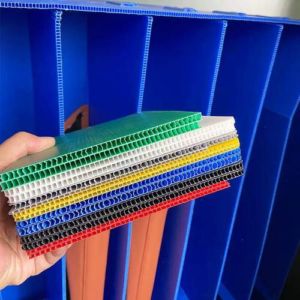
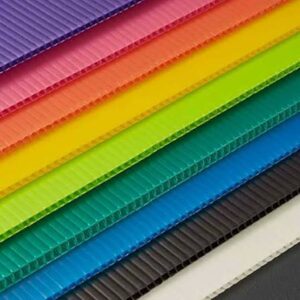
Plastic layer pads are commonly manufactured from polypropylene (PP), while cardboard pads use paper-based materials.
Both serve similar purposes, but their properties differ.
| Feature | Plastic Layer Pads | Cardboard Layer Pads |
|---|---|---|
| Material | Polypropylene (PP) | Paper-based board |
| Water Resistance | Water-resistant | Absorbs moisture unless treated |
| Reusability | Can support multiple cycles | Often limited, especially when wet |
| Cleaning | Can be washed or wiped | Difficult to clean |
| Initial Price | Generally higher | Generally lower |
| Outdoor Exposure | Better moisture resistance | Requires protection from rain |
| Recycling | Recyclable where accepted | Recyclable where accepted |
Cardboard remains practical for dry, one-way shipments. Plastic becomes more attractive when moisture resistance and repeated handling matter.
1. Price Comparison: Is Plastic Really More Expensive?
One of the first questions buyers ask is whether plastic layer pads justify their higher price.
At Zibo Junhui Plastic Co., Ltd., we have encountered the following price ranges for a 1200 × 1000 mm packaging application:
| Material | Reference Price per Sheet |
|---|---|
| Cardboard layer pad | RMB 4.00–7.00 |
| PP corrugated layer pad | RMB 5.85–7.50 |
The plastic specification is 3 mm thick with a weight of 450 gsm. These are actual reference prices, not a universal like-for-like performance comparison.
Consider another customer example: cardboard cost RMB 4 per sheet, while plastic cost RMB 6.
If cardboard lasts one shipping cycle, its material cost is RMB 4 per use. If the RMB 6 plastic pad successfully completes three cycles, its purchase cost becomes RMB 2 per use.
This is an illustrative calculation, not a verified reuse result. Cleaning, return transportation, and replacement costs must also be considered.
The important question is not simply which sheet costs less, but which delivers the required performance at the lowest total cost.
2. Moisture Resistance: A Major Difference
Moisture is one of the biggest concerns in the plastic vs cardboard layer pads comparison.
We’ve worked with customers whose cardboard separators became wet during storage or transportation. Once saturated, the sheets lost stiffness and could no longer provide reliable support for heavy products.
Rainy conditions made the problem particularly serious. In some cases, cardboard pads effectively became single-use packaging.
Polypropylene behaves differently. It does not absorb water like cardboard, allowing properly designed plastic pads to remain usable after exposure to rain or snow.
However, moisture resistance does not automatically guarantee load capacity. The sheet must still match the product weight and stacking conditions.
3. Real Customer Case: Switching After a Pallet Collapse
One customer previously used cardboard layer pads for packaging metal cans.
The cardboard separators cost approximately RMB 4 per sheet.
After a period of use, the cardboard pads failed to maintain sufficient support, resulting in a serious stacking collapse incident.
The customer subsequently replaced the cardboard separators with PP corrugated plastic layer pads costing approximately RMB 6 per sheet.
Although the plastic option increased the initial material cost, the customer prioritized more reliable separation and stacking performance.
This experience demonstrates why packaging decisions should account for potential failure risks rather than focusing only on the lowest purchase price.
The exact cause of a stacking failure should always be evaluated alongside pallet design, load distribution, and handling conditions.
4. Which Industries Benefit Most?
The right choice depends on the application.
Food and Beverage Packaging
Plastic separators are useful for cans and beverage containers, especially where moisture or repeated pallet handling is common.
Solar Energy and Energy Storage
Manufacturers can use customized plastic sheets to separate components during storage and transportation.
Construction Materials
Marble, stone, and other construction products may require protective separators between finished surfaces.
Automotive Parts
Reusable plastic pads can support organized component handling within industrial supply chains.
Junhui Plastic supplies packaging products to customers in Australia, India, Southeast Asia, and South America.
5. How to Choose the Right Specification
Not all plastic layer pads perform the same way.
Thickness, sheet weight, material composition, and load distribution affect their suitability.
Our actual production specifications include:
| Thickness | Weight |
|---|---|
| 2.8 mm | 420 gsm |
| 3.0 mm | 450 gsm |
| 3.3 mm | 1,000 gsm |
| 3.5 mm | 1,200 gsm |
| 4.0 mm | 900 gsm |
| 5.0 mm | 900 gsm |
Common sizes include 1200 × 800 mm and 1200 × 1000 mm, with custom dimensions available.
Customers can choose straight-cut edges, rounded corners, or four-side heat sealing.
We also adjust material formulations according to the required performance and cost.
Before production, buyers should provide the product weight, stacking height, contact area, and expected handling conditions.
6. Reusability and Environmental Considerations
Both cardboard and polypropylene can be recycled through suitable recycling systems.
PP layer pads can also be reprocessed into recycled plastic materials, although actual recycling depends on local facilities and material collection.
For returnable packaging systems, reusing a suitable plastic pad may reduce replacement frequency.
However, the environmental benefit depends on actual reuse cycles, transportation, cleaning, and end-of-life processing.
Frequently Asked Questions
Are plastic layer pads stronger than cardboard?
Not necessarily in every application. Strength depends on material grade, thickness, sheet structure, and loading conditions.
Can plastic layer pads be used outdoors?
Yes, PP pads resist water exposure better than untreated cardboard. However, their load-bearing suitability must be verified for the application.
Which layer pad is cheaper?
Cardboard generally has a lower initial cost. Plastic may become more economical when repeated use or moisture resistance is important.
Can PP layer pads be customized?
Yes. Thickness, weight, dimensions, edge finishing, and material formulation can be customized.
Final Thoughts: Which Material Should You Choose?
The plastic vs cardboard layer pads decision comes down to actual operating conditions.
For dry, one-way shipments, cardboard may be sufficient. For moisture-prone environments, heavier products, or returnable packaging systems, plastic deserves serious consideration.
At Zibo Junhui Plastic Co., Ltd., we manufacture customized PP corrugated layer pads for industrial packaging.
Tell us your product dimensions, pallet arrangement, stacking load, and expected usage conditions. Our team can recommend a suitable specification and provide a quotation based on your requirements.