 ?>
Choosing the right pallet layer pad isn’t just about finding a sheet that fits your pallet. Thickness, material weight, edge finishing, and hygiene requirements can all affect how well it performs.
A separator used for glass bottles may need different specifications from one used for beverage cans or pharmaceutical packaging.
At Zibo Junhui Plastic Co., Ltd., we manufacture customized polypropylene (PP) corrugated layer pads for beverage, pharmaceutical, and industrial applications.
Here’s what buyers should consider before placing an order.
1. Match the Pallet Layer Pad to Your Application
Start with the products you need to separate.
Glass bottles, tinplate cans, and industrial goods have different weights and contact surfaces. Their stacking arrangements also vary.
Before selecting a material, confirm:
- Product dimensions and weight
- Number of products per layer
- Total stacking height
- Pallet dimensions
- Transportation and storage conditions
These details help determine whether a lightweight separator is sufficient or a heavier sheet should be evaluated.
2. Compare Thickness, GSM, and PP Content
Thickness alone doesn’t determine sheet performance.
GSM, or grams per square meter, describes material weight. PP content refers to the proportion of polypropylene in the specified formulation.
At Junhui Plastic, we produce different combinations based on customer requirements.
Here are four actual specifications from our production:
| Thickness | GSM | PP Content | Application |
|---|---|---|---|
| 4 mm | 900 | 80% | Tinplate beverage cans |
| 3.5 mm | 1,200 | 75% | Glass bottles |
| 5 mm | 900 | 70% | Pallet separation |
| 3.3 mm | 1,000 | 75% | Glass bottles |
These examples show why buyers shouldn’t choose a pallet layer pad based on thickness alone.
A thicker sheet doesn’t necessarily contain more material per square meter. The internal structure and formulation also matter.
The specifications above are production examples, not universal load ratings.
3. Choose the Correct Dimensions
Common layer pad sizes at Junhui Plastic include:
- 1200 × 1000 mm
- 1000 × 1000 mm
- 1100 × 1100 mm
We also manufacture custom dimensions.
The correct size depends on the pallet footprint and product arrangement.
An oversized sheet may interfere with handling equipment, while an undersized sheet may not provide the intended separation area.
For automated palletizing systems, dimensional consistency deserves particular attention.
4. Why Heat-Sealed Edges Matter
Edge finishing is an important detail that buyers sometimes overlook.
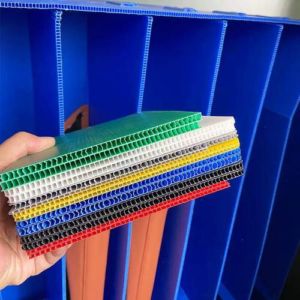
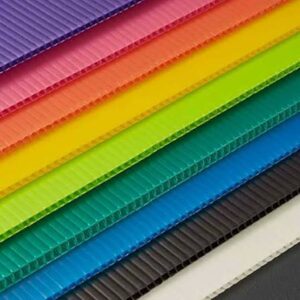
PP corrugated sheets contain hollow channels. When their edges remain open, water and dust may enter those channels.
At Junhui Plastic, we offer heat-sealed edges to close the exposed openings.
This process offers several practical benefits:
- Helps limit water entering the hollow channels
- Reduces opportunities for dust accumulation
- Creates smoother edges for handling
- Helps reduce the risk of sharp corners damaging stretch wrap
For beverage and hygiene-sensitive packaging, a heat-sealed pallet layer pad may be preferable to an unfinished sheet.
However, sealed edges alone do not establish that a product is sterile or suitable for direct food or pharmaceutical contact.
5. Real Case: Custom Layer Pads for Pharmaceutical Bottles
One pharmaceutical customer approached Junhui Plastic with strict packaging requirements for small medical bottles.
The customer placed particular importance on cleanliness and surface appearance.
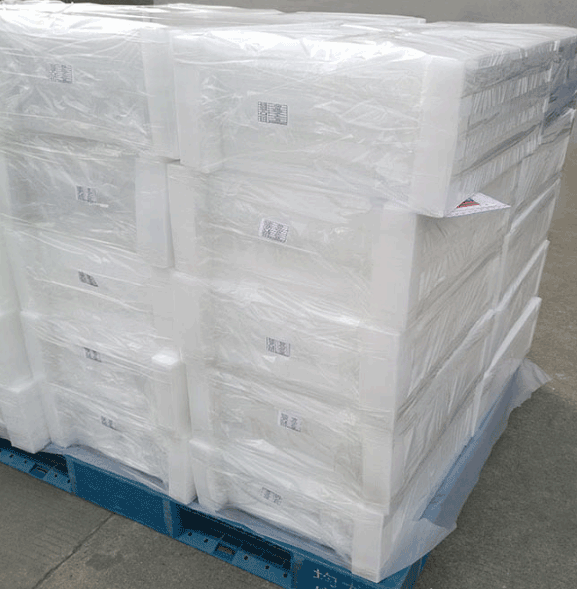
They wanted sheets free from visible contamination and surface marks. Special protective packaging was also required to help keep the finished products clean during handling and transportation.
The customized specification was:
| Item | Customer Requirement |
|---|---|
| Application | Small pharmaceutical bottles |
| Dimensions | 500 × 400 mm |
| Thickness | 3 mm |
| GSM | 1,000 |
| Color | White |
| Surface requirements | No visible marks or foreign matter |
| Packaging | Additional protective wrapping |
The customer also requested compliance with applicable Chinese food-contact requirements.
This case demonstrates that selecting a pallet layer pad involves more than comparing thickness and price.
For hygiene-sensitive applications, buyers should discuss material documentation, surface inspection, protective packaging, and any required compliance testing before production.
6. Compare PP and Cardboard Layer Pads
Cardboard can be a practical option for dry, single-use shipments.
However, moisture and repeated handling may affect its condition.
PP corrugated sheets resist water absorption and can be cleaned when appropriate.
For returnable packaging, buyers should consider how many times the pads can be used, how they will be collected, and whether cleaning is required.
A reusable pallet layer pad may provide better long-term value in a controlled return system.
For one-way shipments, the lower initial cost of cardboard may still make sense.
7. Check Manufacturing and Quality Control
Before ordering, ask your supplier how it controls thickness, GSM, dimensions, and surface quality.
At Junhui Plastic, our testing capabilities include material analysis, compression testing, and puncture testing.
Testing requirements should match the application.
For example, a pharmaceutical packaging customer may prioritize cleanliness and surface condition, while a beverage manufacturer may focus on stacking performance.
Sample evaluation helps buyers confirm whether the proposed specification meets their needs.
What Information Should You Send for a Quote?
To receive an accurate quotation, provide:
- Product type and weight
- Required length and width
- Preferred thickness and GSM
- PP content or material requirements
- Edge finishing requirements
- Estimated order quantity
- Special hygiene or packaging requirements
If you’re unsure which specification to choose, explain your current packaging problems.
Final Thoughts
The best pallet layer pad is one that matches your products, handling conditions, and purchasing budget.
Thickness, GSM, PP content, dimensions, and edge finishing should be evaluated together.
At Zibo Junhui Plastic Co., Ltd., we manufacture customized PP corrugated layer pads for beverage, pharmaceutical, and industrial packaging.
Need custom pallet layer pads? Send us your product specifications, pallet dimensions, and estimated quantity. Our team can review your requirements and prepare a suitable quotation.