 ?>
How many times can you reuse plastic formwork before you need to replace it?
For contractors, this question matters because formwork costs do not end after the first concrete pour. Every project involves installation, stripping, cleaning, and storage. As a result, the number of successful reuse cycles can have a major impact on the total cost.
However, plastic formwork reuse times vary from one project to another. Material quality, panel design, construction methods, and worker handling all play a role.
At Zibo Junhui Plastic Co., Ltd., some plastic formwork panels have completed more than 80 reuse cycles during construction-site use in China.
So, what makes that possible, and how can contractors extend panel life?
What Counts as One Formwork Reuse Cycle?
One reuse cycle means a contractor installs a panel, pours concrete, removes the panel after the concrete gains sufficient strength, and prepares it for another pour.
However, simply removing a panel does not mean it is ready for reuse.
Workers should inspect the surface, edges, and overall condition before installing it again.
A panel may remain usable after several projects if it maintains the performance required for its next application.
Therefore, contractors should count successful reuse cycles rather than the number of times they move a panel around a construction site.
What Are Typical Plastic Formwork Reuse Times?
There is no single reuse number that applies to every plastic formwork product.
Different manufacturers use different materials, internal structures, and production methods. In addition, construction conditions vary widely.
At Junhui Plastic, we began testing our hollow plastic formwork at domestic construction sites during product development.
Some panels have now completed more than 80 reuse cycles and remain in service.
This experience demonstrates the reuse potential of our panels under those conditions. However, it does not mean every panel will achieve the same result.
Before purchasing, contractors should ask suppliers whether their reuse claims come from actual construction projects or laboratory estimates.
Five Factors That Affect Plastic Formwork Reuse Times
1. Material Quality
Manufacturers commonly use polypropylene (PP) to produce hollow plastic formwork.
However, not every PP formulation offers the same properties.
At Junhui Plastic, we offer virgin PP, custom PP blends, and modified formulations based on project requirements.
Material selection can affect stiffness, impact resistance, and long-term performance.
Therefore, buyers should review material specifications rather than focusing only on price.
2. Panel Thickness and Structure
Thickness also affects panel performance, but it does not tell the whole story.
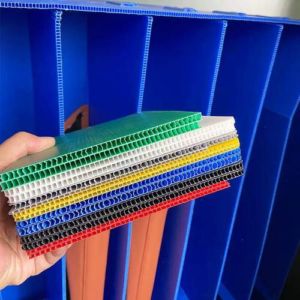
For example, Junhui Plastic produces 12 mm, 15 mm, 18 mm, and 20 mm plastic formwork panels.
Among these options, 15 mm and 18 mm are common export specifications.
Still, a thicker panel does not automatically guarantee more reuse cycles.
The internal rib design, panel weight, and support system also matter.
3. Installation Methods
Proper installation helps protect panels during concrete pouring.
Contractors should use suitable supports and follow the project’s engineering requirements.
Otherwise, excessive bending or movement may damage the panels.
As a result, correct installation can help preserve their condition for future use.
4. Stripping and Handling
Rough stripping can shorten panel life.
For example, workers may damage edges or surfaces if they use excessive force when removing formwork.
In contrast, careful removal helps reduce unnecessary damage.
Junhui Plastic’s smooth-surface panels have also performed well without release agents in certain domestic applications.
However, contractors should confirm suitable stripping methods for their concrete mix and site conditions.
5. Cleaning and Storage
Cleaning matters because dried concrete residue can interfere with later use.
Fortunately, PP panels resist water absorption and allow cleaning with suitable methods.
After cleaning, workers should inspect the panels and store them properly.
They should also avoid unnecessary impact, excessive heat, and poor stacking practices.
Together, these steps can help extend plastic formwork reuse times.
Plastic Formwork vs. Plywood: Which Offers Better Value?
Plywood often has a lower initial purchase price. However, the lowest price per sheet does not always mean the lowest project cost.
A better comparison looks at the cost per successful use.
For example, consider two hypothetical options:
| Item | Option A | Option B |
|---|---|---|
| Purchase price | $30 | $45 |
| Successful reuse cycles | 10 | 30 |
| Material cost per use | $3.00 | $1.50 |
These figures are examples only, not actual product prices or verified performance data.
The calculation is simple:
Material cost per use = Purchase price ÷ Successful reuse cycles
Of course, contractors should also consider labor, cleaning, repair, storage, and transportation costs.
Therefore, evaluating plastic formwork reuse times alongside total operating costs gives buyers a clearer picture.
How Can Contractors Increase Reuse Times?
Contractors can take several practical steps:
- Choose panels that match the project requirements.
- Use the correct support spacing and fastening methods.
- Avoid damaging panels during stripping.
- Clean the surface after each concrete pour.
- Inspect panels before the next installation.
- Store panels on suitable supports in appropriate conditions.
In addition, keeping a simple reuse record can help project managers identify damaged panels and track material costs.
How to Evaluate a Plastic Formwork Supplier
Before placing an order, ask the manufacturer about actual construction experience.
For example, buyers can request information about panel specifications, reuse records, and available testing.
Junhui Plastic operates six plastic formwork production lines with a reported daily capacity of approximately 100 metric tons.
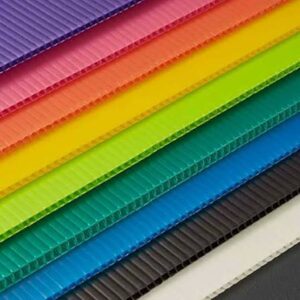
We also offer custom dimensions, colors, and PP formulations.
Our standard minimum order quantity is generally 3 metric tons, while normal production takes approximately 3–5 days, depending on order details.
These manufacturing capabilities help us support both distributors and construction material buyers.
Frequently Asked Questions
Can plastic formwork last more than 80 uses?
Yes, under suitable conditions. Junhui Plastic has observed more than 80 reuse cycles in some domestic construction applications. However, actual results vary.
Does thicker plastic formwork last longer?
Not necessarily. Thickness matters, but material quality, internal structure, installation, and handling also affect performance.
How do I know when to replace a panel?
Inspect the panel for cracks, excessive bending, damaged edges, and other signs that may affect its next use. Follow the project’s safety and engineering requirements.
Conclusion
Plastic formwork reuse times depend on more than the material itself.
Panel quality, proper installation, careful stripping, and regular maintenance all influence service life.
For contractors planning repeated concrete work, understanding these factors can help reduce unnecessary replacement costs.
At Zibo Junhui Plastic Co., Ltd., we manufacture customized hollow plastic formwork for domestic and international markets.
Need reusable plastic formwork for your project? Contact our team with your required thickness, panel size, and estimated order quantity. We can help you review the available specifications.